
Preserving historic architecture requires precision, care, and advanced digital technology.
At TerraModus, we successfully completed a heritage digitization project in Lithuania where historic churches were captured using LiDAR scanning, modeled in Autodesk Revit, and transformed into highly detailed 3D printed physical models.
This project combined reality capture, BIM modeling, and additive manufacturing to preserve architectural heritage in both digital and physical form.
Project Overview: Digitizing Historic Churches in Lithuania
Lithuania is home to centuries-old churches with intricate facades, vaulted interiors, towers, and heritage detailing. Traditional documentation methods were insufficient to capture the full geometric complexity.
Our objective was to:
✔ Capture high-accuracy 3D scan data
✔ Develop precise BIM models in Revit
✔ Create scaled 3D printed replicas
✔ Preserve architectural detail for documentation and exhibition
Step 1: LiDAR Scanning of Historic Structures
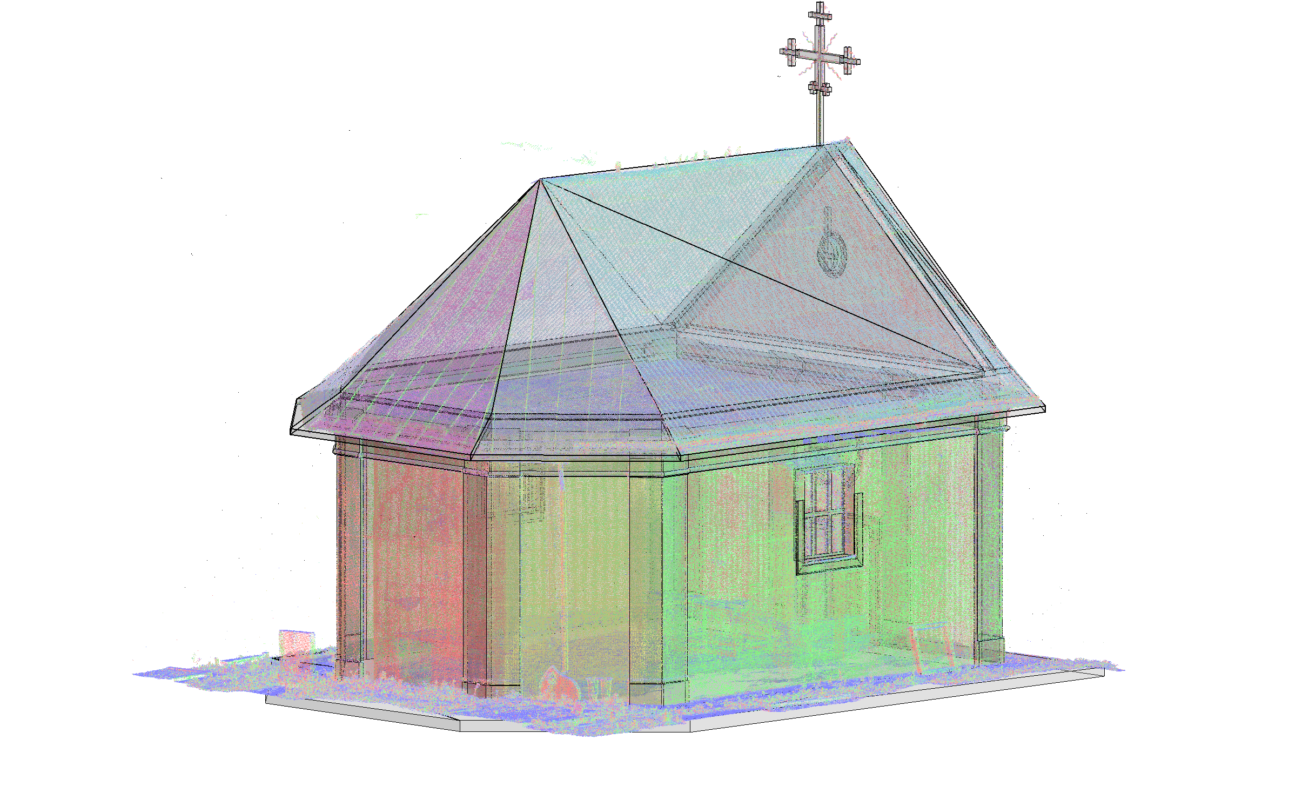
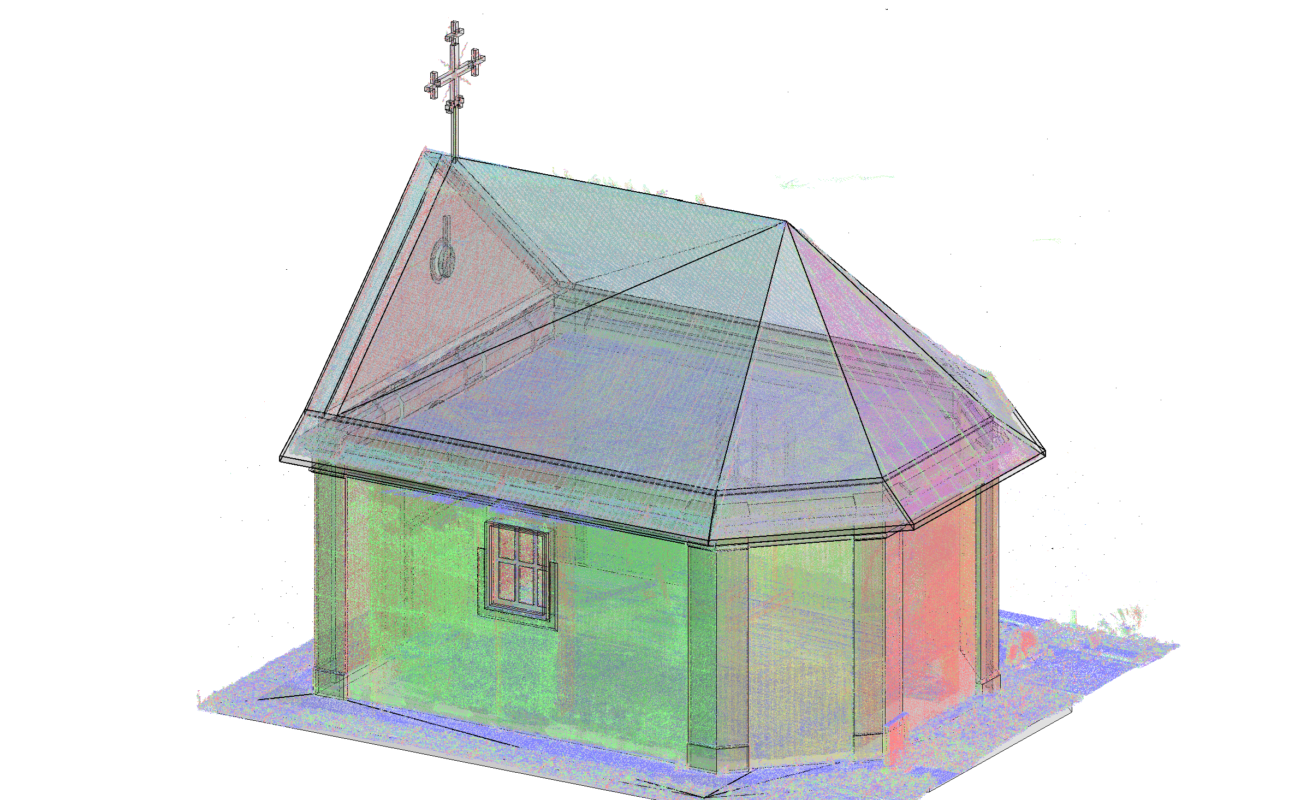
Using advanced terrestrial laser scanning (LiDAR), we captured:
- Exterior facades
- Bell towers & spires
- Interior vaulted ceilings
- Structural columns & arches
- Decorative architectural elements
Millions of data points were collected, forming a dense and accurate 3D point cloud representation of each church.
This non-invasive approach ensured zero damage to sensitive heritage structures.
Step 2: BIM Modeling in Revit
Once scanning was complete, the point cloud data was processed and imported into Autodesk Revit for detailed BIM modeling.
In Revit, we:
- Modeled architectural geometry
- Recreated complex curves and vaults
- Defined structural components
- Maintained accurate scaling
- Prepared geometry optimized for 3D printing
The BIM model ensured dimensional accuracy and structural realism before moving to fabrication.
Step 3: 3D Printing the Church Models
With finalized Revit models, we prepared scaled versions suitable for 3D printing.
The printed models:
✔ Preserved architectural proportions
✔ Highlighted facade detailing
✔ Maintained structural geometry
✔ Served exhibition and presentation purposes
These physical models are valuable for:
- Heritage exhibitions
- Museum displays
- Educational institutions
- Cultural documentation
- Architectural archives
Why LiDAR + Revit + 3D Printing Is Powerful for Heritage Projects
This integrated workflow offers:
🎯 Extreme Accuracy
LiDAR captures millimeter-level detail.
🏛 Non-Invasive Documentation
Perfect for fragile heritage structures.
📐 BIM-Based Control
Revit ensures parametric, editable modeling.
🖨 Physical Representation
3D printed models provide tangible visualization.
Applications Beyond Churches
This approach can be applied to:
- Heritage buildings
- Temples & monuments
- Government buildings
- Institutional campuses
- Historic restoration projects
- Architectural competitions
For smart cities and heritage preservation authorities, this workflow enables long-term digital archiving and restoration planning.
Bringing Heritage into the Digital Era
Digitizing historical architecture ensures:
✔ Permanent digital records
✔ Restoration planning support
✔ Cultural preservation
✔ Public engagement through exhibitions
By combining LiDAR scanning, BIM modeling, and 3D printing, TerraModus transforms historic architecture into precise digital and physical assets.
Looking to Digitize or Recreate Architectural Structures?
If you’re working on:
- Heritage conservation
- Cultural documentation
- Restoration planning
- Museum or exhibition installations
- Institutional campus modeling
Our team can deliver high-precision LiDAR capture, BIM development, and 3D printed architectural models.